How Food Affects the Mind: Benefits, Science, and Healthy Eating Tips
Explore how the food you eat impacts your mental health, mood, and cognitive function. Learn the science behind nutrition and the brain, discover brain-boosting foods, and get practical tips for a mind-healthy diet.
What Is the Connection Between Food and the Mind?
The food you consume directly influences brain function, mood, and mental well-being. Nutrients from food provide the building blocks for neurotransmitters, which regulate emotions and cognition.
A balanced diet supports mental clarity, emotional stability, and resilience against stress, while poor nutrition can contribute to mood swings, fatigue, and cognitive decline.
The Science of Food and Brain Health
- Neurotransmitter Production: Nutrients like omega-3 fatty acids, vitamins, and amino acids support the production of serotonin and dopamine, key for mood regulation.
- Gut-Brain Axis: The gut microbiome communicates with the brain via the vagus nerve, influencing mood and mental health.
- Inflammation Control: Anti-inflammatory foods, like those rich in antioxidants, reduce brain inflammation linked to depression and anxiety.
Benefits of a Brain-Healthy Diet
- Improved Mood: Nutrient-rich foods stabilize blood sugar and boost serotonin, reducing mood swings.
- Enhanced Focus: Foods high in healthy fats and proteins improve concentration and cognitive performance.
- Reduced Stress: Magnesium and vitamin B-rich foods help regulate the stress response.
- Better Memory: Antioxidants and omega-3s protect brain cells, enhancing memory and learning.
- Lower Risk of Mental Decline: A balanced diet can reduce the risk of cognitive decline and conditions like Alzheimer’s.
Types of Brain-Boosting Foods
- Fatty Fish: Rich in omega-3 fatty acids (e.g., salmon, mackerel), supports brain cell health and communication.
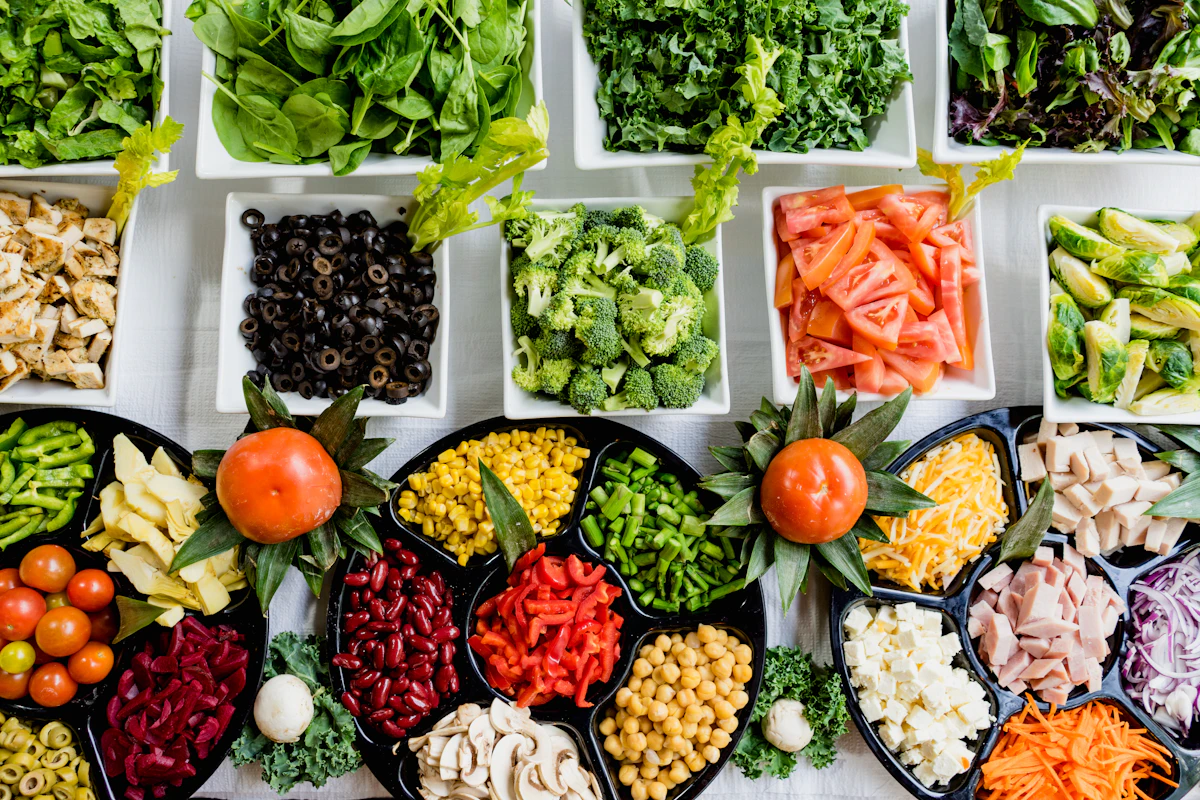
- Leafy Greens: Spinach, kale, and broccoli are packed with vitamins and antioxidants that protect the brain.
- Nuts and Seeds: Walnuts, almonds, and chia seeds provide healthy fats and vitamin E for cognitive health.
- Whole Grains: Oats, quinoa, and brown rice provide steady energy for sustained brain function.
- Berries: Blueberries and strawberries are rich in antioxidants, reducing brain inflammation.
Foods to Avoid for Mental Health
- Processed Sugars: High sugar intake can cause blood sugar spikes, leading to mood swings and fatigue.
- Trans Fats: Found in fried foods and processed snacks, trans fats increase inflammation and impair brain function.
- Excessive Caffeine: Overconsumption can disrupt sleep and increase anxiety.
- Highly Processed Foods: Lack nutrients and may disrupt gut health, affecting the gut-brain axis.
How to Eat for a Healthier Mind
- Incorporate a variety of colorful fruits and vegetables for antioxidants and vitamins.
- Choose whole, unprocessed foods over packaged or fast foods.
- Eat fatty fish or plant-based omega-3 sources (like flaxseeds) at least twice a week.
- Stay hydrated, as dehydration can impair cognitive function.
- Plan balanced meals with protein, healthy fats, and complex carbs.
- Limit sugar and caffeine, especially in the evening, to support sleep.
- Consult a dietitian for personalized advice if you have specific health needs.
Myths About Food and Mental Health
- Myth: Only supplements can boost brain health: Fact: Whole foods provide a broad range of nutrients that supplements can’t fully replicate.
- Myth: All fats are bad for the brain: Fact: Healthy fats, like those in avocados and nuts, are essential for brain function.
- Myth: Diet changes show instant results: Fact: Consistent dietary changes over weeks or months yield the best mental health benefits.
Building a Mind-Healthy Diet Routine
- Start with small changes, like adding one serving of vegetables daily.
- Batch-prep meals to make healthy eating convenient.
- Keep brain-boosting snacks, like nuts or fruit, easily accessible.
- Track mood and energy levels to see how dietary changes impact you.
FAQs
Can food alone cure mental health issues?
Food supports mental health but is not a cure. It should complement therapy or medical treatment when needed.
How long does it take for diet to affect the mind?
Some benefits, like improved energy, may appear within days, but long-term effects require weeks of consistent healthy eating.
Are supplements necessary for brain health?
Whole foods are the best source of nutrients, but supplements may help if deficiencies are identified by a doctor.
Can poor diet cause anxiety or depression?
Poor nutrition can contribute to mood imbalances by affecting neurotransmitter production and inflammation.