Anxiety Symptoms, Causes & Evidence-Based Recovery
Recognize the physical and cognitive symptoms of anxiety. Understand root causes, discover evidence-based clinical treatments, and learn immediate calming techniques.
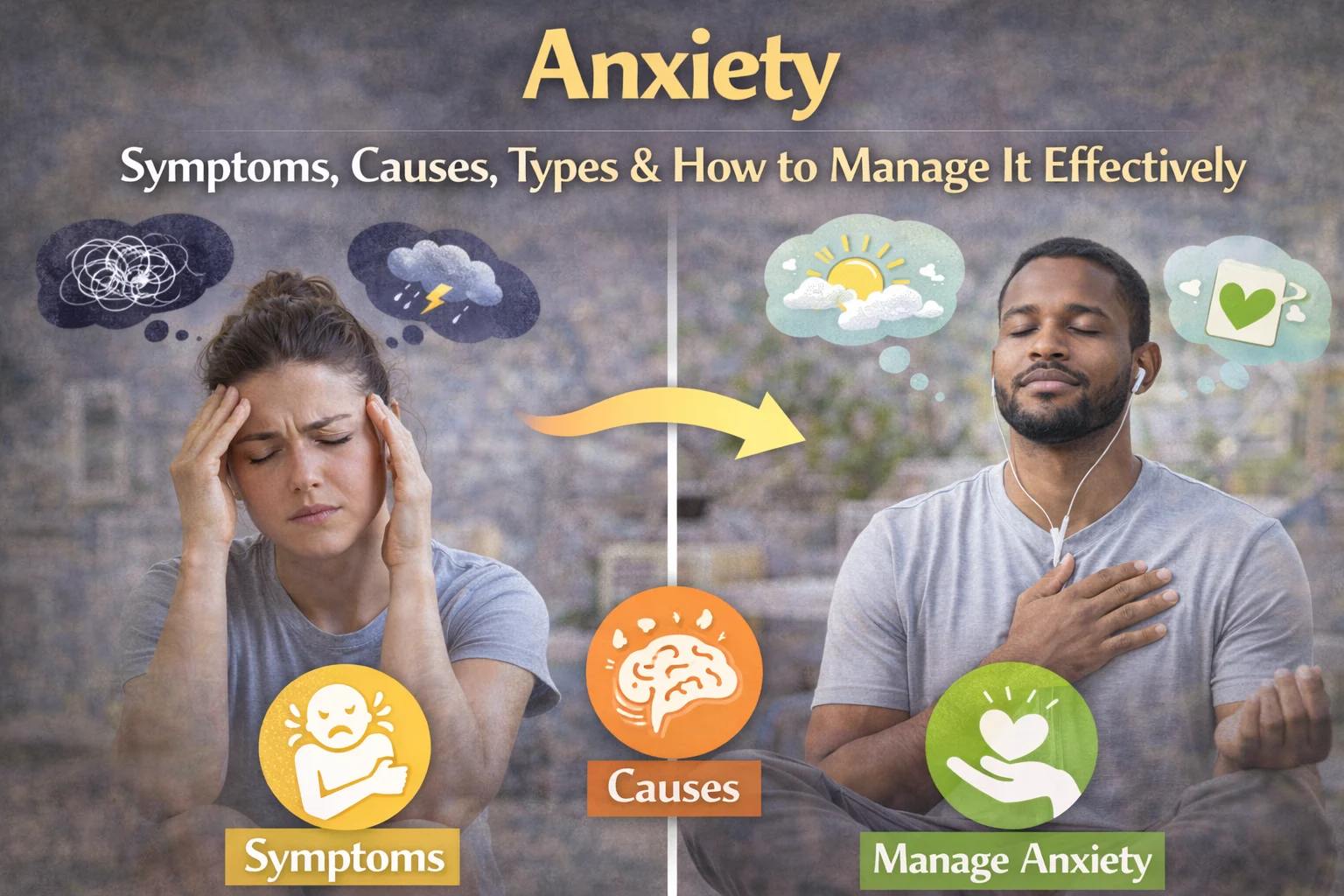
What is Anxiety? (The Evolutionary Alarm System)
Anxiety is an evolutionary alarm system designed to alert the mind and body to potential danger or uncertainty. It involves an anticipatory blend of emotional apprehension, cognitive vigilance, and physical arousal.
While occasional situational apprehension is an adaptive human experience, persistent or overwhelming anxiety that causes significant functional impairment across daily life may indicate an anxiety disorder.
Recognizing early cognitive and somatic indicators allows individuals to engage evidence-based coping tools, screening resources, and professional support.
Common Physical and Emotional Symptoms of Anxiety
- Emotional Symptoms: Excessive worry, fear, restlessness, or irritability.
- Cognitive Symptoms: Difficulty concentrating, constant overthinking, or expecting the worst outcomes.
- Physical Symptoms: Increased heart rate, sweating, trembling, shortness of breath, or stomach issues.
- Behavioral Symptoms: Avoiding certain places, people, or activities due to fear or discomfort.
What Causes Anxiety Disorders? (Biology, Genetics & Triggers)
- Genetic Vulnerability: Family history of anxiety disorders or neurodivergent sensory processing profiles.
- Neural Circuitry & Signaling: Complex interactions within neural circuits and neurotransmitter signaling systems (including GABA, serotonin, and norepinephrine) regulating fear responses.
- Environmental & Developmental Factors: Exposure to chronic stressors, adverse childhood experiences, or acute traumatic events.
- Lifestyle Influences: Circadian disruption, chronic sleep deprivation, and high stimulant or caffeine intake.
- Medical & Endocrine Factors: Co-occurring physiological conditions such as thyroid irregularities, autonomic dysregulation, or chronic inflammatory illnesses.
The 4 Main Types of Anxiety Disorders
- Generalized Anxiety Disorder (GAD): Excessive, difficult-to-control worry and apprehension occurring more days than not for at least six months across various everyday activities.
- Panic Disorder: Recurrent unexpected panic surges accompanied by acute physical symptoms such as palpitations, dizziness, and intense apprehension.
- Social Anxiety Disorder: Marked fear or anxiety about social or performance situations involving perceived scrutiny or negative evaluation.
- Specific Phobias: Persistent, disproportionate fear of specific objects, environmental triggers, or specific situations.
- Health Anxiety (Illness Anxiety): Preoccupation with having or acquiring a serious, undiagnosed medical condition despite medical reassurance.
Evidence-Based Clinical Treatments & Coping Strategies
- Practice deep breathing exercises to calm the nervous system.
- Use mindfulness or meditation to stay grounded in the present moment.
- Keep a journal to express and process your thoughts.
- Maintain a balanced diet and regular physical activity.
- Limit caffeine, alcohol, and nicotine, which can increase anxiety.
- Create a daily routine with enough rest and relaxation.
- Seek therapy or counseling for long-term coping strategies.
- Consider medication if recommended by a healthcare professional.
Healthy Daily Habits for Regulating the Nervous System
Anxiety can often be managed better with consistent lifestyle adjustments. Simple daily changes can make a big difference.
Regular sleep, staying connected with supportive people, and engaging in hobbies that bring joy can lower stress levels.
Even short breaks, nature walks, or creative activities help release tension and improve mood.
FAQs
Is anxiety normal?
Yes. Everyone experiences anxiety occasionally. However, when it becomes constant, overwhelming, or interferes with daily life, it may be a disorder that needs attention.
Can anxiety be cured?
Anxiety may not always disappear completely, but it can be effectively managed with therapy, coping techniques, medication, and lifestyle changes.
What should I avoid if I have anxiety?
Excessive caffeine, alcohol, lack of sleep, and constant negative self-talk can worsen anxiety. Creating a balanced lifestyle helps reduce symptoms.
When should I seek professional help?
If anxiety feels uncontrollable, affects work or relationships, or causes frequent panic attacks, consulting a mental health professional is recommended.