Depression Symptoms, Root Causes & Clinical Treatment Guide
Explore clinical symptoms of depression, biological and environmental causes, behavioral activation techniques, and evidence-based treatment pathways.
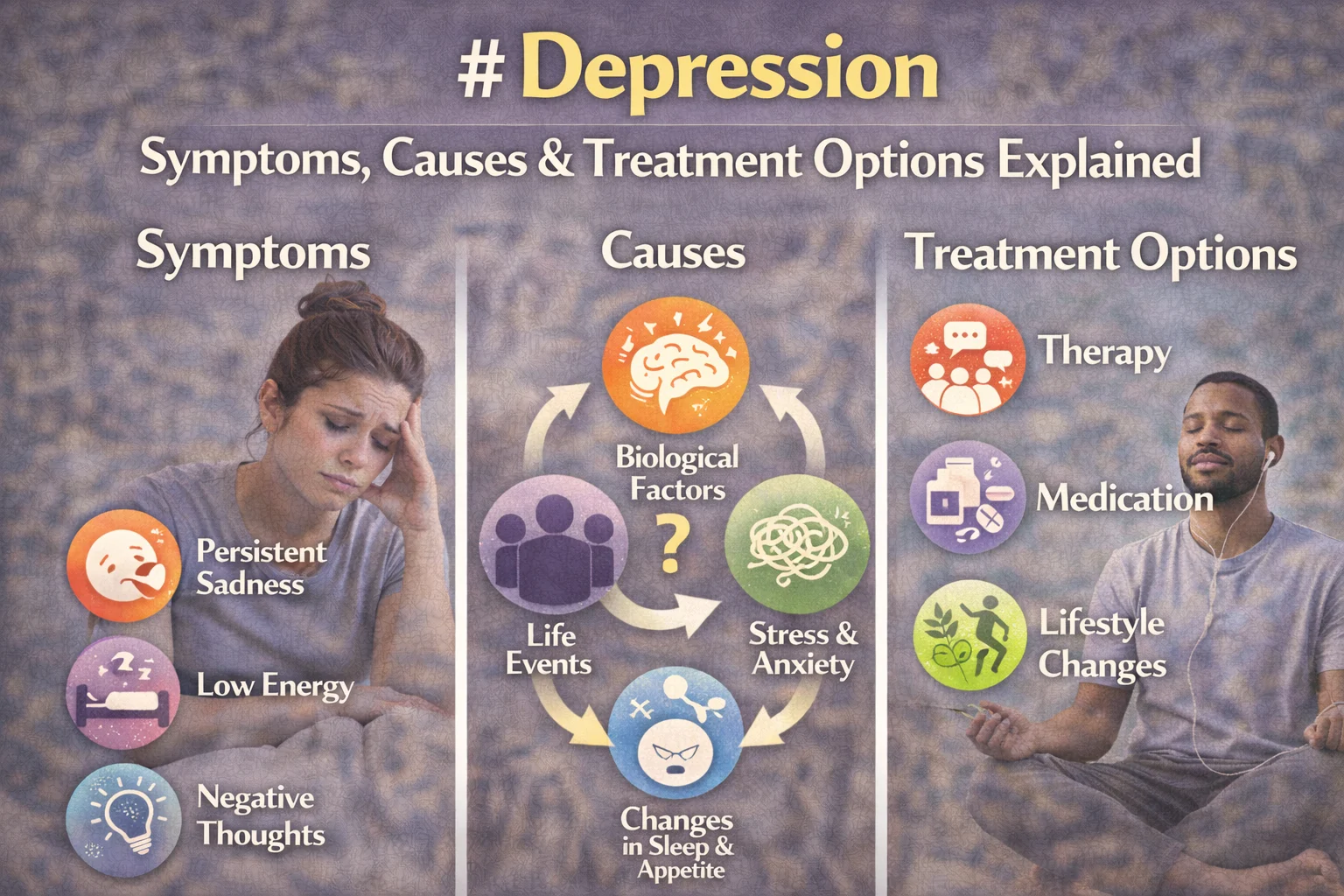
What Is Depression? (Beyond Normal Sadness)
Depression (Major Depressive Disorder) is a recognized clinical condition characterized by persistent low mood, pervasive loss of interest or pleasure (anhedonia), and neurovegetative shifts that significantly impair daily functioning.
Unlike transient sadness or normal grief, clinical depression is sustained and multifaceted, affecting cognitive processing, energy regulation, sleep architecture, and physical vitality. Evidence-based treatments—ranging from cognitive behavioral therapies to behavioral activation and medical guidance—offer reliable pathways to recovery.
Biological, Neurochemical & Environmental Causes of Depression
- Neurobiological & Genetic Factors: Polygenic vulnerability, altered functional connectivity in mood-regulating brain networks, and neurotrophic factor changes (such as BDNF).
- Chronic Environmental Stress: Prolonged exposure to unmanaged interpersonal conflict, systemic stress, or severe life transitions.
- Somatic & Endocrine Conditions: Systemic inflammation, hormonal imbalances, neurological conditions, or medication side effects.
- Psychological & Cognitive Vulnerabilities: Entrenched negative cognitive triads, learned helplessness, or maladaptive perfectionism.
- Substance & Sleep Factors: Chronic sleep disruption, alcohol misuse, or stimulant withdrawal that destabilize central nervous system regulation.
Recognizing the Clinical Symptoms of Depression (Cognitive, Emotional & Somatic)
- Affective Symptoms: Pervasive dysphoria, feelings of profound emptiness, worthlessness, or excessive guilt.
- Cognitive Shifts: Executive dysfunction, slowed processing speed, impaired concentration, and rumination.
- Motivational & Behavioral: Loss of interest in previously rewarding activities (anhedonia), social withdrawal, and reduced volition.
- Somatic & Neurovegetative: Significant changes in appetite or weight, insomnia or hypersomnia, psychomotor agitation or retardation, and persistent physical fatigue.
How Depression Impacts Daily Functioning and the Nervous System
- Work and Productivity: Difficulty meeting deadlines, reduced focus, absenteeism.
- Relationships: Strained family dynamics, withdrawal from friends, difficulty maintaining connections.
- Physical Health: Weakened immune system, higher risk of chronic illness, poor sleep quality.
- Emotional Well-being: Loss of joy, heightened anxiety, increased irritability.
Behavioral Activation: 7 Practical Daily Micro-Steps
- Engage in regular physical exercise such as walking, cycling, or yoga to boost mood.
- Maintain a structured daily routine to provide stability and direction.
- Practice mindfulness meditation or journaling to process emotions.
- Connect with supportive people and avoid isolation.
- Seek therapy, such as cognitive-behavioral therapy (CBT) or counseling.
- Adopt healthy lifestyle habits: balanced diet, sufficient sleep, limited alcohol/caffeine.
- If prescribed, take medication as directed by a healthcare professional.
Common Myths vs. Scientific Facts About Clinical Depression
- Myth: Depression is just sadness: Fact: Depression is a serious medical condition, not simply a passing mood.
- Myth: Strong people don’t get depressed: Fact: Depression can affect anyone, regardless of strength, success, or personality.
- Myth: Antidepressants are the only solution: Fact: While medication helps some people, therapy, lifestyle changes, and support are also effective treatments.
- Myth: Talking about depression makes it worse: Fact: Open conversations reduce stigma and can be the first step toward recovery.
Long-Term Management and Relapse Prevention
- Develop coping skills through therapy to reframe negative thought patterns.
- Stay physically active and prioritize restorative sleep.
- Build a support system with friends, family, or peer groups.
- Schedule regular health check-ups to address any underlying medical issues.
- Create a personal toolkit of relaxation, mindfulness, and self-care techniques.
FAQs
Is depression treatable?
Yes, depression is highly treatable with therapy, medication, or a combination of both. Early intervention improves recovery outcomes.
How do I know if I have depression?
If sadness, loss of interest, or fatigue lasts for more than two weeks and affects daily life, seeking a mental health evaluation is important.
Can lifestyle changes help?
Yes, exercise, nutrition, proper sleep, and mindfulness can significantly reduce symptoms alongside professional care.
Do children or teens get depression?
Yes, depression can affect people of all ages. Early guidance and professional support are important for young individuals.
When should I seek help?
If symptoms interfere with daily functioning, relationships, or last more than two weeks, consult a mental health professional.