Mind Helpful Diet: Foods That Support Mental Health, Mood & Brain Function
Discover how nutrition influences mental health. Learn about foods that support brain function, emotional balance, and stress management. Explore practical diet tips that help improve mood, focus, and psychological well-being.
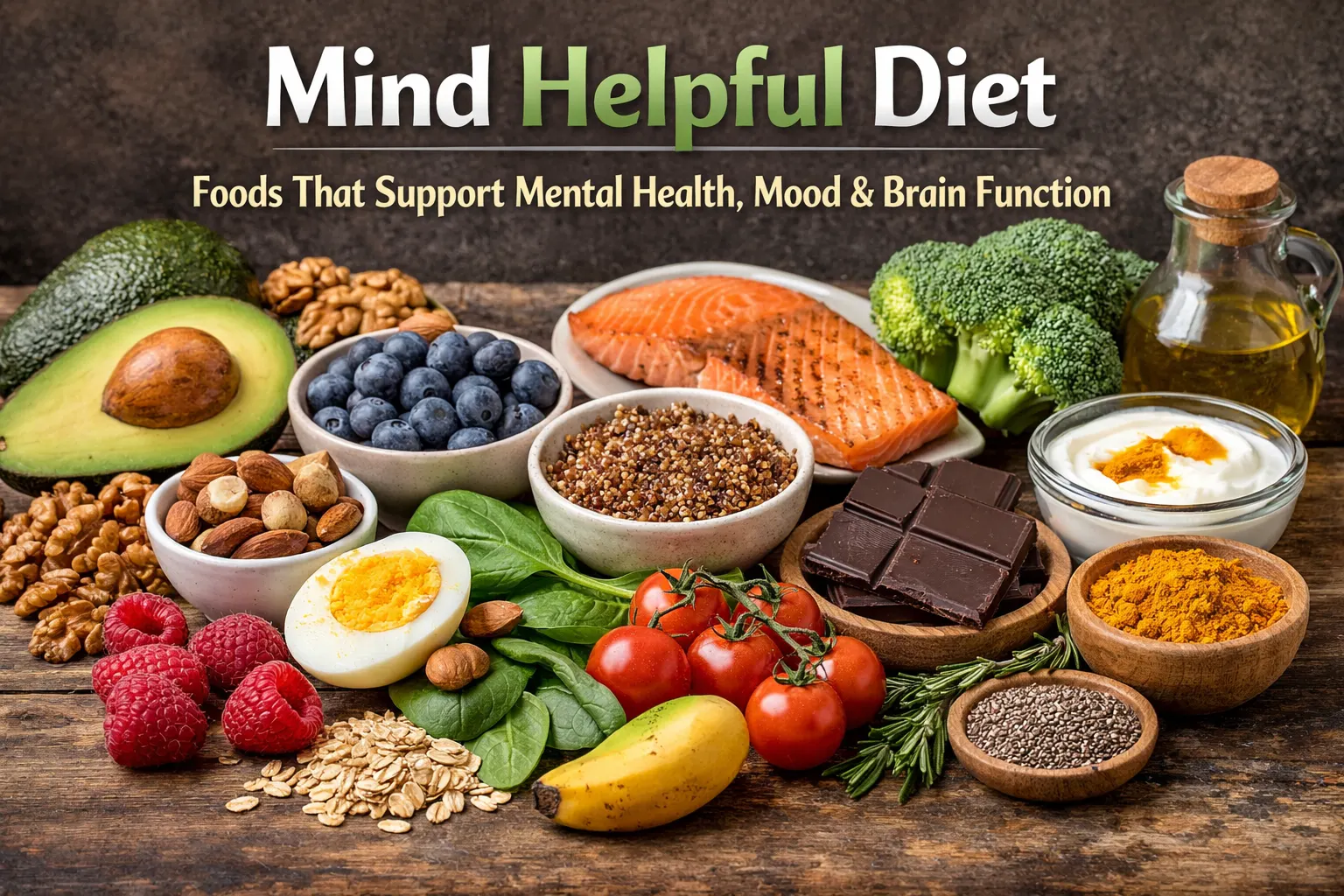
What is a Mind Helpful Diet?
A mind helpful diet refers to eating patterns that nourish the brain, stabilize emotions, and support long-term mental well-being. The brain requires a steady supply of nutrients such as omega-3 fatty acids, vitamins, minerals, and antioxidants to function effectively.
As a psychologist working with individuals experiencing anxiety, stress, and emotional burnout for more than two decades, I have consistently observed how lifestyle habits—especially nutrition—play a major role in mental resilience.
While food alone cannot cure mental health conditions, research shows that balanced nutrition can significantly support mood regulation, cognitive clarity, and emotional stability.
Why Nutrition Matters for Mental Health
- Brain Chemistry & Amino Acids: Dietary amino acids (such as L-tyrosine and tryptophan) provide the essential biochemical precursors for neurotransmitters like dopamine and serotonin, while magnesium and B vitamins act as vital co-factors for mood stability.
- Energy and Focus: Balanced meals provide steady glucose to the brain, preventing energy crashes, irritability, and mental fatigue.
- Stress Regulation: Certain nutrients help regulate cortisol levels, reducing the body's stress response.
- Gut–Brain Connection: The gut microbiome influences emotional health. Healthy gut bacteria can positively affect mood and cognitive functioning.
Best Foods for Mental Well-Being
- Leafy Green Vegetables: Spinach, kale, and broccoli contain folate and antioxidants that support brain health.
- Omega-3 Rich Foods: Fatty fish, flaxseeds, and walnuts help improve brain function and may reduce symptoms of anxiety and depression.
- Whole Grains: Brown rice, oats, and whole wheat provide steady energy and support concentration.
- Fruits and Berries: Blueberries, oranges, and bananas provide antioxidants and natural energy for cognitive performance.
- Nuts and Seeds: Almonds, pumpkin seeds, and sunflower seeds contain magnesium and healthy fats that support emotional balance.
Foods That May Negatively Affect Mental Health
- Highly Processed Foods: Processed foods with excessive additives and preservatives may contribute to inflammation and fatigue.
- Excess Sugar: Frequent sugar spikes can cause mood swings, energy crashes, and irritability.
- Excessive Caffeine: Too much caffeine may increase restlessness, anxiety, and sleep disturbances.
- Alcohol Overconsumption: Alcohol can disrupt sleep patterns and worsen mood over time.
Simple Dietary Habits That Support Mental Wellness
- Start the day with a balanced breakfast containing protein and whole grains.
- Eat regular meals to maintain stable blood sugar levels.
- Stay hydrated throughout the day.
- Include fruits and vegetables in daily meals.
- Limit processed foods and refined sugars.
- Support gut health with fiber-rich foods.
- Avoid heavy meals late at night.
- Practice mindful eating and notice how foods affect mood and energy.
The Psychological Impact of Healthy Eating
Healthy eating habits do more than support physical health—they influence emotional resilience and cognitive clarity. Individuals who follow balanced dietary patterns often report improved concentration, reduced irritability, and better stress tolerance.
From a therapeutic perspective, nutrition works best when combined with sleep hygiene, regular physical activity, and emotional coping strategies.
Practical Tips for Building a Mind Helpful Diet
Focus on gradual changes rather than strict dieting. Small consistent improvements are more sustainable than sudden restrictions.
Plan meals in advance and keep healthy snacks available to avoid relying on processed convenience foods.
Remember that emotional well-being improves through a holistic approach—nutrition, lifestyle habits, social connection, and psychological support all work together.
FAQs
Can diet really affect mental health?
Yes. Scientific research increasingly shows that nutrition influences brain chemistry, mood regulation, and cognitive function. A balanced diet supports overall psychological well-being.
What foods help reduce stress and anxiety?
Foods rich in omega-3 fatty acids, magnesium, whole grains, and antioxidants may help regulate stress hormones and support emotional balance.
Should I completely avoid sugar or caffeine?
Moderation is key. Occasional consumption is usually fine, but excessive sugar and caffeine may worsen anxiety and disrupt sleep patterns.
Is diet alone enough to improve mental health?
Diet is one important factor, but mental health is influenced by many aspects including sleep, exercise, relationships, and professional support when needed.
Nutrition works best when combined with healthy coping strategies. Explore our breathing exercises for anxiety and gratitude practices to improve emotional balance and stress management.